

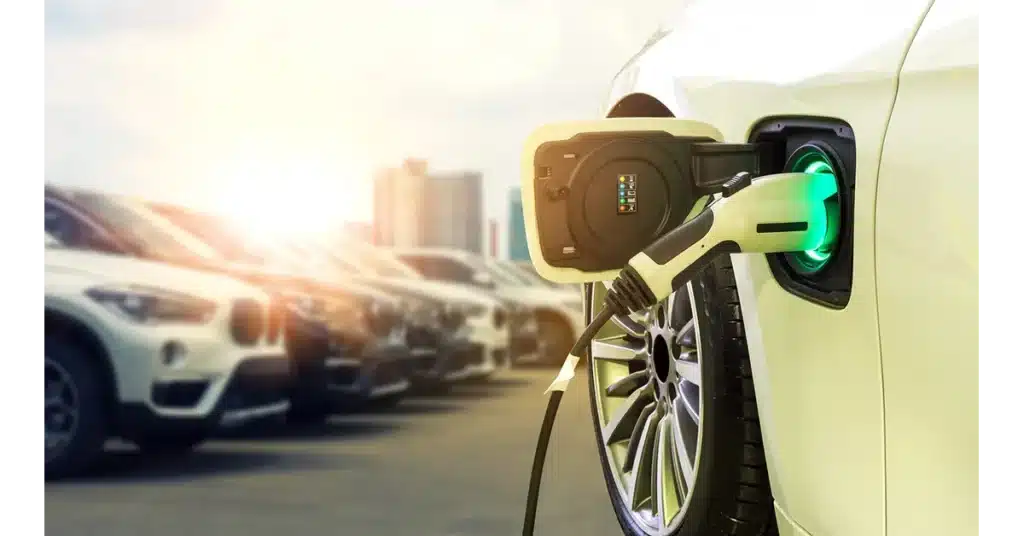
Not long ago, electric cars were treated like a curiosity. Interesting, maybe promising, but not something most people took seriously. That moment has passed. Electric vehicles are no longer waiting for the future — they’re already influencing how cities work, how companies build cars, and how people think about transportation.
This change didn’t arrive all at once. It came in quietly, and now it’s hard to ignore.
Why the Combustion Engine Is Losing Ground
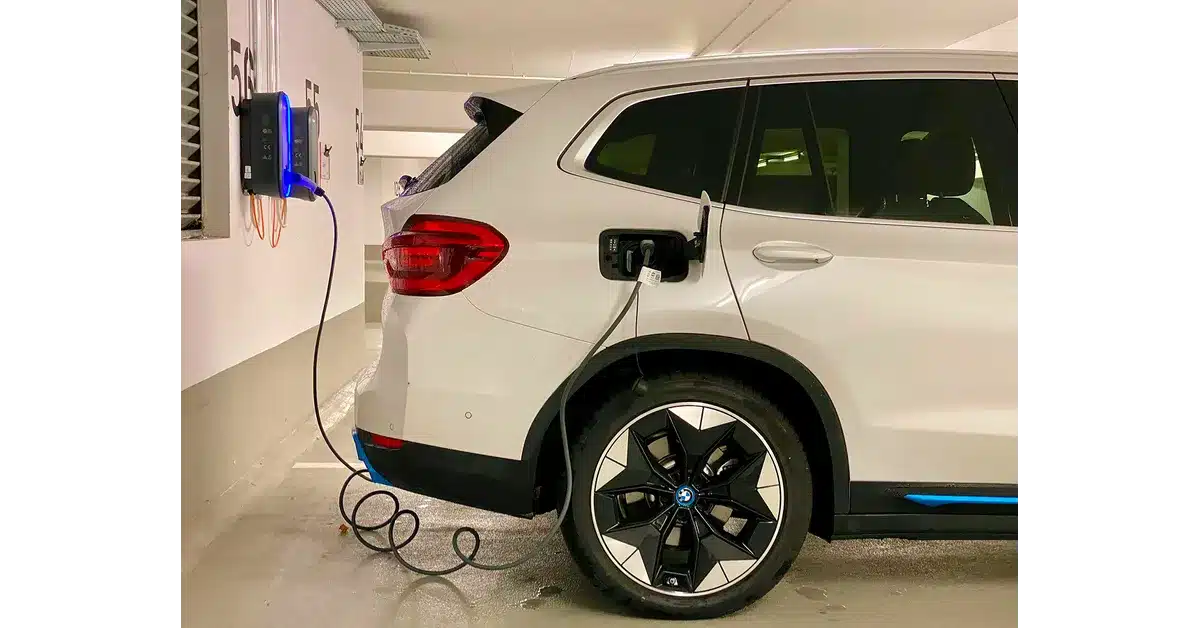
Gasoline cars shaped the modern world, but they also created long-term problems that never really went away. Pollution, fuel prices, maintenance costs — all of it became “normal” because there was no alternative that felt real.
Electric cars broke that pattern.
Less Oil, More Electricity
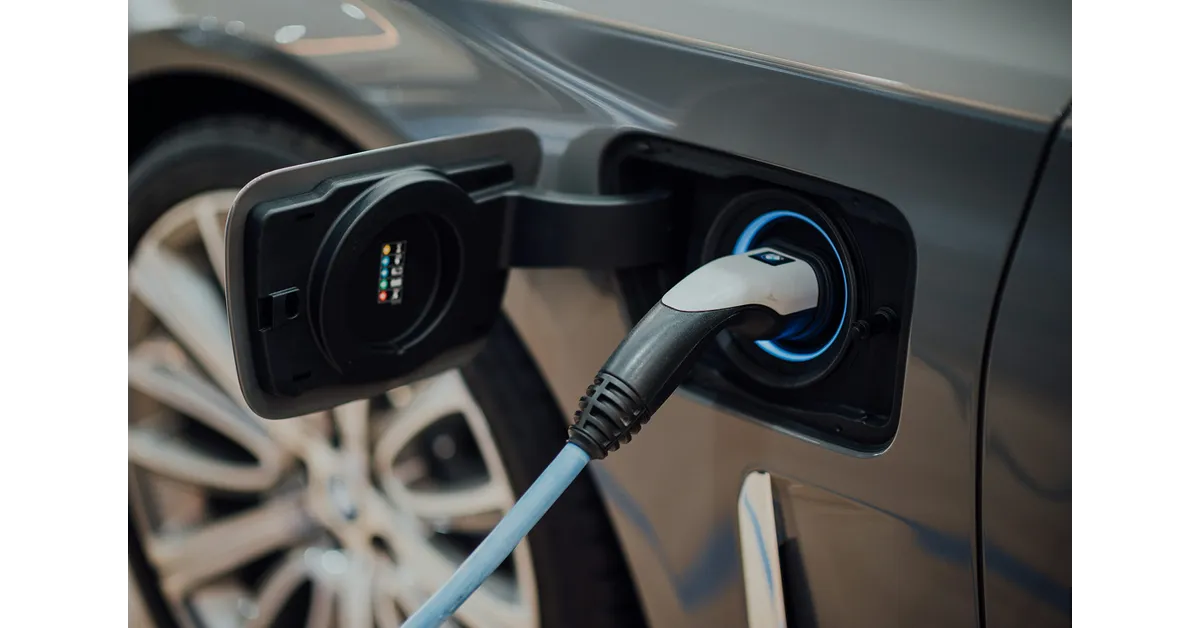
When transportation depends entirely on oil, everything else depends on it too: economies, politics, even wars. Electric vehicles don’t eliminate that problem overnight, but they weaken it. Power shifts when energy can come from multiple sources instead of a single global commodity.
That alone explains why electric cars matter far beyond the automotive industry.
Cars Are No Longer Just Mechanical Objects
One of the biggest mental shifts with electric cars is realizing they behave more like technology than machinery.
Software Matters More Than the Engine
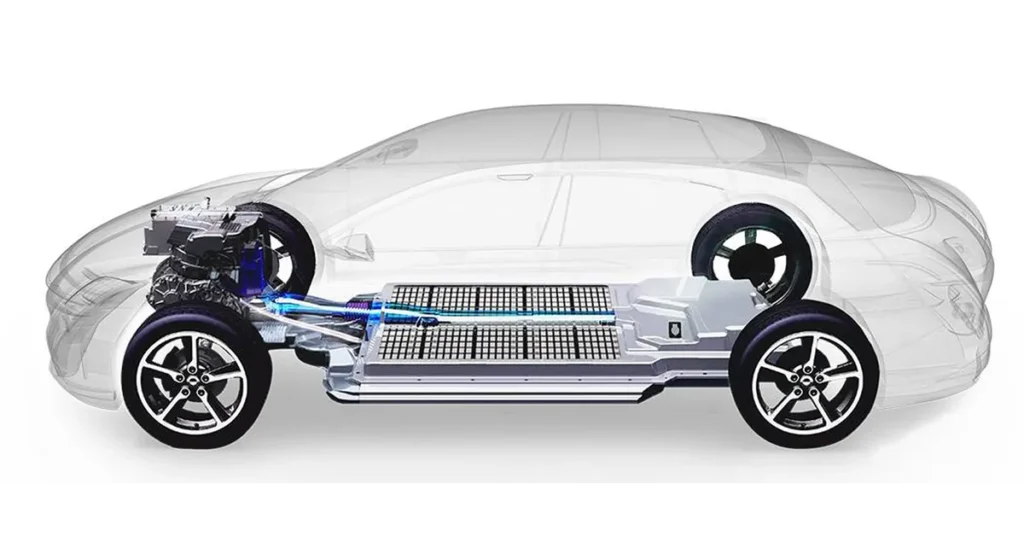
Electric vehicles rely heavily on software. Range optimization, driving behavior, safety features — these things can change after you buy the car. Updates replace what used to require mechanical fixes or full model redesigns.
That idea still makes traditional car ownership feel outdated.
Old Brands Feel the Pressure
Some legacy automakers are adapting well. Others clearly aren’t. Companies built around electric platforms move faster, experiment more, and don’t carry decades of old decisions with them. The gap is noticeable, and it keeps growing.
The Environmental Conversation Is More Complex Than People Admit
Critics often reduce the debate to batteries versus gas, but that’s an oversimplification.
Cities Feel the Difference First
The most immediate benefit of electric cars isn’t global — it’s local. Less noise. Cleaner air. Streets that feel more livable. In crowded cities, this isn’t abstract environmental theory; it’s something people notice in daily life.
Battery Problems Aren’t Being Ignored
Battery production and recycling still raise valid concerns. The difference is that these problems are actively being worked on. Battery technology today is already far ahead of where it was just a few years ago, and the pace hasn’t slowed down.
Electric Cars Change Habits, Not Just Engines
Driving an electric car subtly changes how people think about mobility.
Charging Feels Different Than Refueling
You don’t “run out” of electricity the same way you run out of gas. Charging at home or work turns the car into part of a routine instead of something that constantly demands attention. That small shift changes behavior more than most people expect.
They Fit Naturally Into Smarter Cities
Electric vehicles make sense in cities built around data, renewable energy, and efficiency. They’re easier to integrate, easier to regulate, and easier to optimize over time.
Electric Cars Change Habits, Not Just Engines
Driving an electric car really changes how people think about mobility.
Charging Feels Different Than Refueling
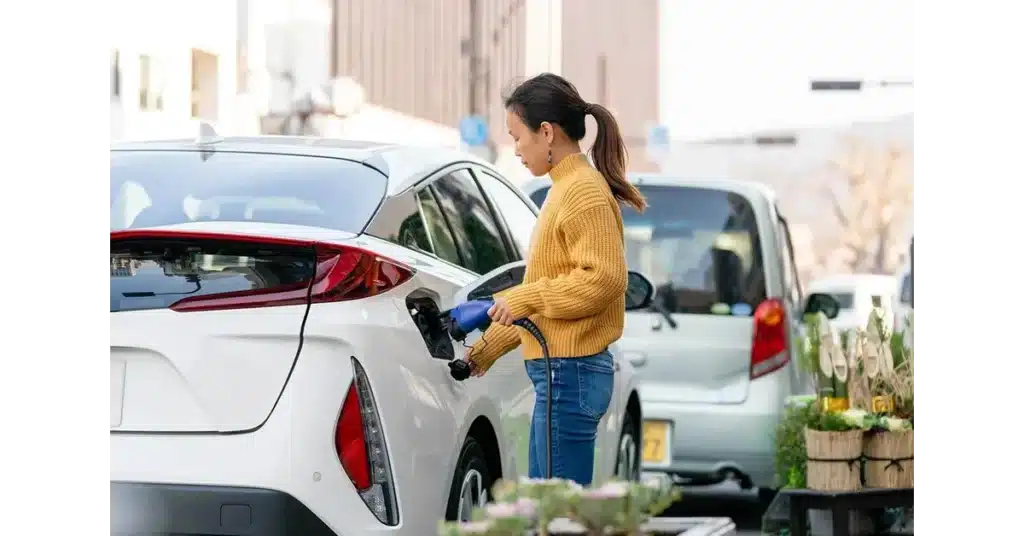
You don’t “run out” of electricity the same way you run out of gas. Charging at home or work turns the car into part of a routine instead of something that constantly demands attention. That small shift changes behavior more than most people expect.
They Fit Naturally Into Smarter Cities
Electric vehicles make sense in cities built around data, renewable energy, and efficiency. They’re easier to integrate, easier to regulate, and easier to optimize over time.
Final Thoughts
Electric cars aren’t perfect, and they don’t solve every transportation problem. But dismissing them no longer makes sense. The technology works. The infrastructure is expanding. The benefits are already visible.
At this point, resistance isn’t really about electric cars.
It’s about resisting change.
And change is already happening.
