

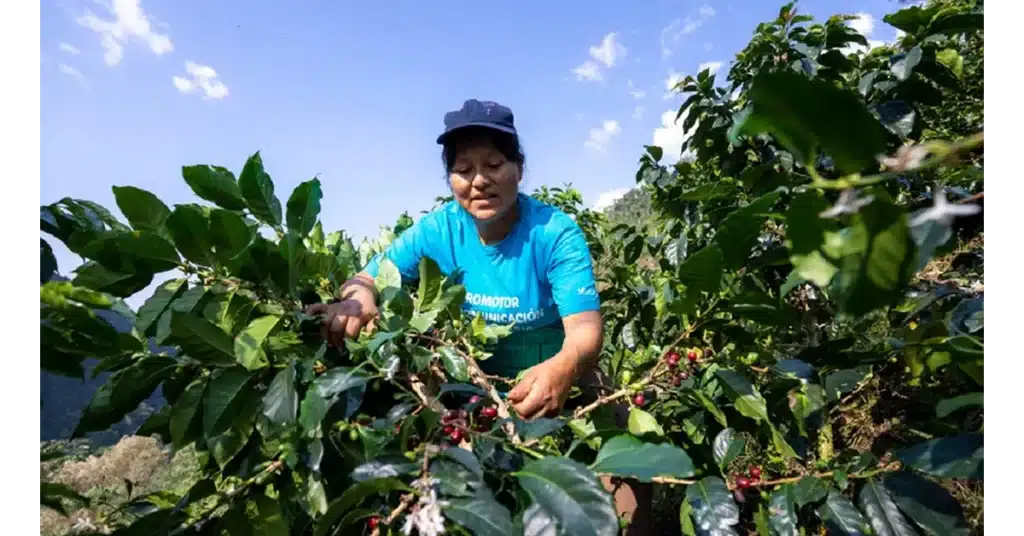
For a long time, Peru coastal desert was seen as empty land with little value. Dry soil, almost no rain, and harsh conditions made large-scale farming seem unrealistic. Until the 1990s, few believed this region could support a strong Peru agricultural industry.
That perception has changed completely.
Today, Peru desert coastline is one of the country’s most important economic zones. What was once dust and sand is now filled with vast plantations growing avocados, blueberries, and mangoes. Fruits that were never traditionally part of the region. Peru has turned an unlikely landscape into a global export hub.
But this rapid success comes with important questions.
How Peru Turned Its Desert Into Farmland
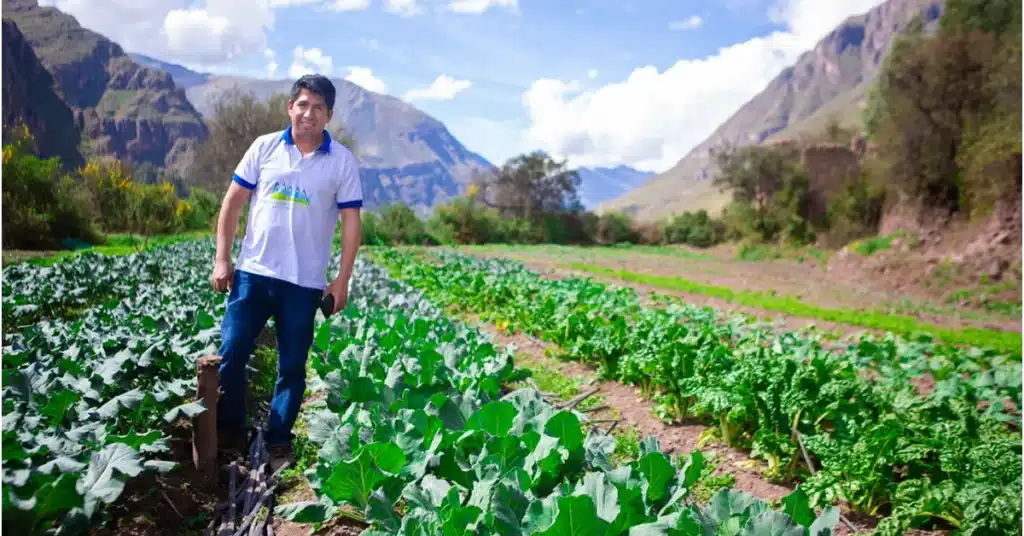
The transformation did not happen by chance. Large irrigation projects made it possible to bring water from the Andes Mountains down to the coast. With this water, farms could operate year-round instead of depending on seasonal rain.
Modern farming techniques, advanced irrigation systems, and foreign investment accelerated the process. Over time, the long stretch of land between the Pacific Ocean and the Andes became a massive agricultural corridor.
Most of what is grown here is not meant for local consumption. These fruits are shipped mainly to the United States, Europe, and Asia, where demand for fresh produce continues to grow.
Agricultural Exports and Economic Growth
The numbers explain why this model gained so much attention.
According to Peru Ministry of Agrarian Development and Irrigation, agricultural exports grew at an average annual rate of 11% between 2010 and 2024, reaching a record value of more than $9 billion in 2024.
This growth placed Peru among the world’s top exporters of certain crops, especially blueberries and avocados. For the national economy, the benefits are clear: more exports, more foreign currency, and stronger trade relationships.
Jobs, Investment, and Global Reach
Employment Opportunities
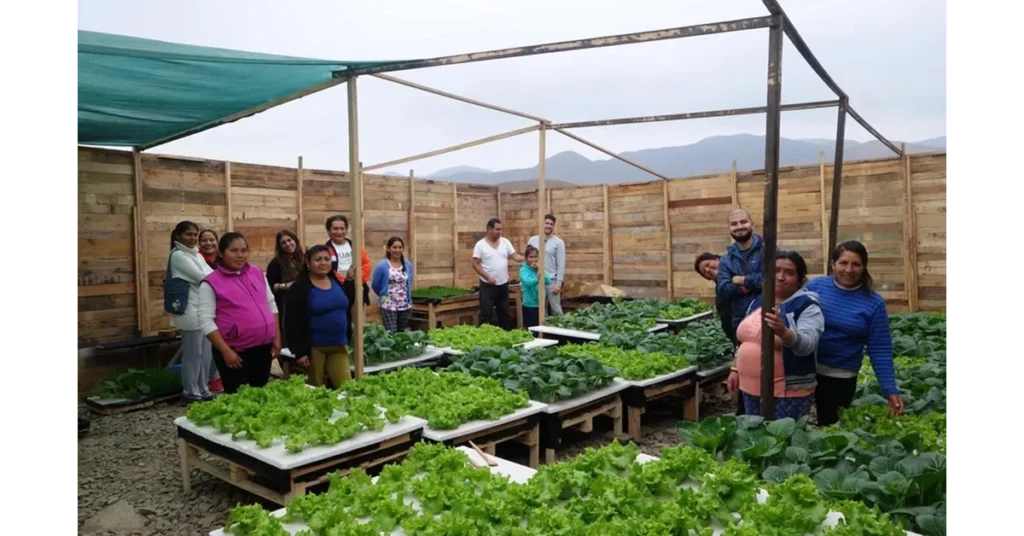
Large export farms created thousands of jobs in regions that once had very limited economic activity. Many coastal towns now depend heavily on agricultural work, packing plants, and export logistics.
Foreign Capital and Technology
International companies invested in land, infrastructure, and technology. This helped modernize Peru agricultural sector and increase productivity at a fast pace.
Strong Position in Global Markets
Peru is now seen as a reliable supplier of high-quality fruit. This reputation has opened doors in competitive international markets and strengthened the country’s image as an agricultural exporter.
Who Gains the Most From This Boom?
While the industry generates wealth, the benefits are not shared equally.
Large agribusiness groups and export companies capture most of the profits. Small farmers often struggle to compete because they lack access to water, financing, and export networks.
Many farm workers face low wages, temporary contracts, and unstable working conditions. Employment exists, but job security is often limited, especially outside peak harvest seasons.
In some areas, communities also raise concerns about water access, as large farms consume a significant share of available resources.
Environmental Pressure and Water Use
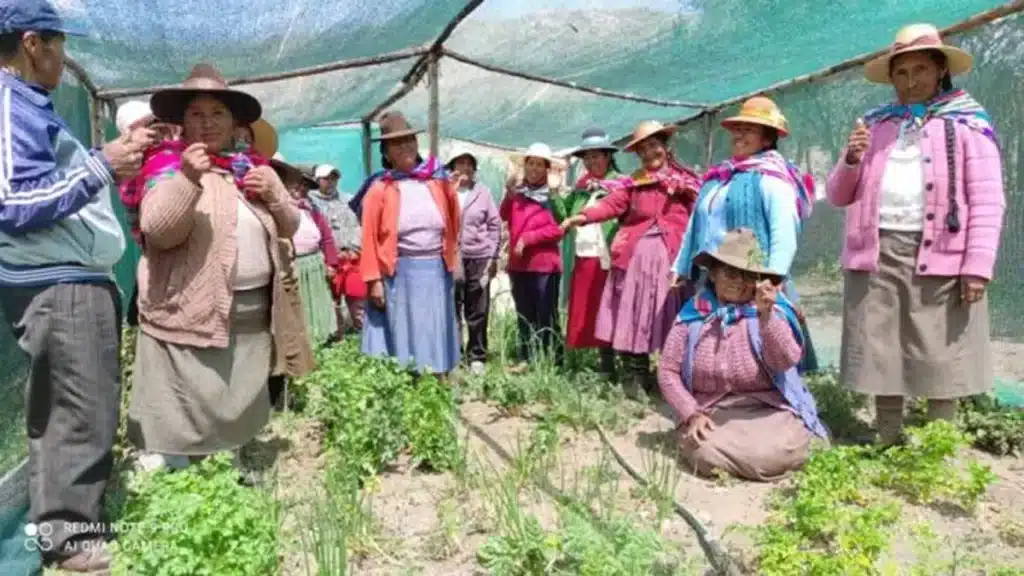
Water is the biggest challenge behind Peru agricultural success.
The coastal desert depends almost entirely on water coming from the Andes. Intensive irrigation places heavy pressure on rivers and underground reserves. In certain regions, water extraction is happening faster than natural replenishment.
There are also concerns about soil quality. Growing the same crops repeatedly can weaken the soil over time, increasing dependence on fertilizers and chemicals.
Climate change adds uncertainty. Melting glaciers in the Andes could reduce future water supply, making this farming model more vulnerable in the long run.
Is Peru Agricultural Model Sustainable?
In the short term, the system works and generates strong profits. In the long term, sustainability depends on how Peru manages its resources.
Experts point to several necessary steps:
- More efficient and controlled water use
- Stronger labor protections
- Sustainable farming practices
- Better support for small and medium farmers
Without these changes, today’s success could turn into tomorrow’s problem.
The Two Sides of Peru Agricultural Success
Peru agricultural export boom shows how technology and investment can completely reshape a region. It brought jobs, growth, and international recognition to areas once considered unproductive.
At the same time, it exposed deep questions about inequality, environmental impact, and long-term sustainability.
Understanding both sides of this story matters—not only for Peru, but for any country trying to grow its economy without exhausting its people or its natural resources.
